
May 15, 2025 | 5:30 PM
05/25
Vesna Šoić
In the context of global climate challenges and the growing need for sustainable solutions in the construction industry, hemp is increasingly recognized as an eco-friendly alternative to traditional building materials. Known for its rapid growth and minimal cultivation requirements, this plant offers a range of benefits that make it an ideal choice for sustainable architecture.
Hemp in Construction: Past and Present
Hemp, a variety of cannabis, has played a key role in building practices for centuries. Due to its exceptional strength and versatility, it has been used in many applications—from reinforcing fibers to thermal and acoustic insulation. Before concrete and steel, ancient civilizations used hemp to create breathable and durable building materials. Egyptians used it in ropes and sails, essential components of their monumental structures. In China, it was part of early composite materials, while the Merovingians in 6th-century France used hemp-based mortar for bridge construction. The Romans strengthened their buildings with hemp-lime mortar.
Today, hemp is experiencing a new renaissance—not as a relic of the past, but as a symbol of sustainable innovation. Innovations such as hempcrete and fiber panels are paving the way for broader adoption, not only in experimental projects but in entire communities and public buildings.
Properties of Hempcrete:
High breathability: Hempcrete absorbs and releases moisture, stabilizing relative humidity at 50–55%.
Thermal efficiency: Reduces the need for heating and cooling.
Health safety: Non-irritating to skin and respiratory systems.
Eco-friendly production: Made from 100% natural, often local materials—hemp, lime, and water.
Carbon neutrality: A palette of hempcrete blocks can absorb around 100 kg of CO₂.
Application in Croatia and the Region
Companies like Zadružna konopljara (Croatia) and Hempika CoGreen (Slovenia) are actively developing hemp-based construction practices. One of the first poured-in-formwork hemp houses in Croatia was completed by architect Hrvoje Bota. On the European level, leading firms such as IsoHemp (Belgium), Schönthaler (Italy), and UK Hempcrete(United Kingdom) are pioneers in producing hemp-based construction materials.
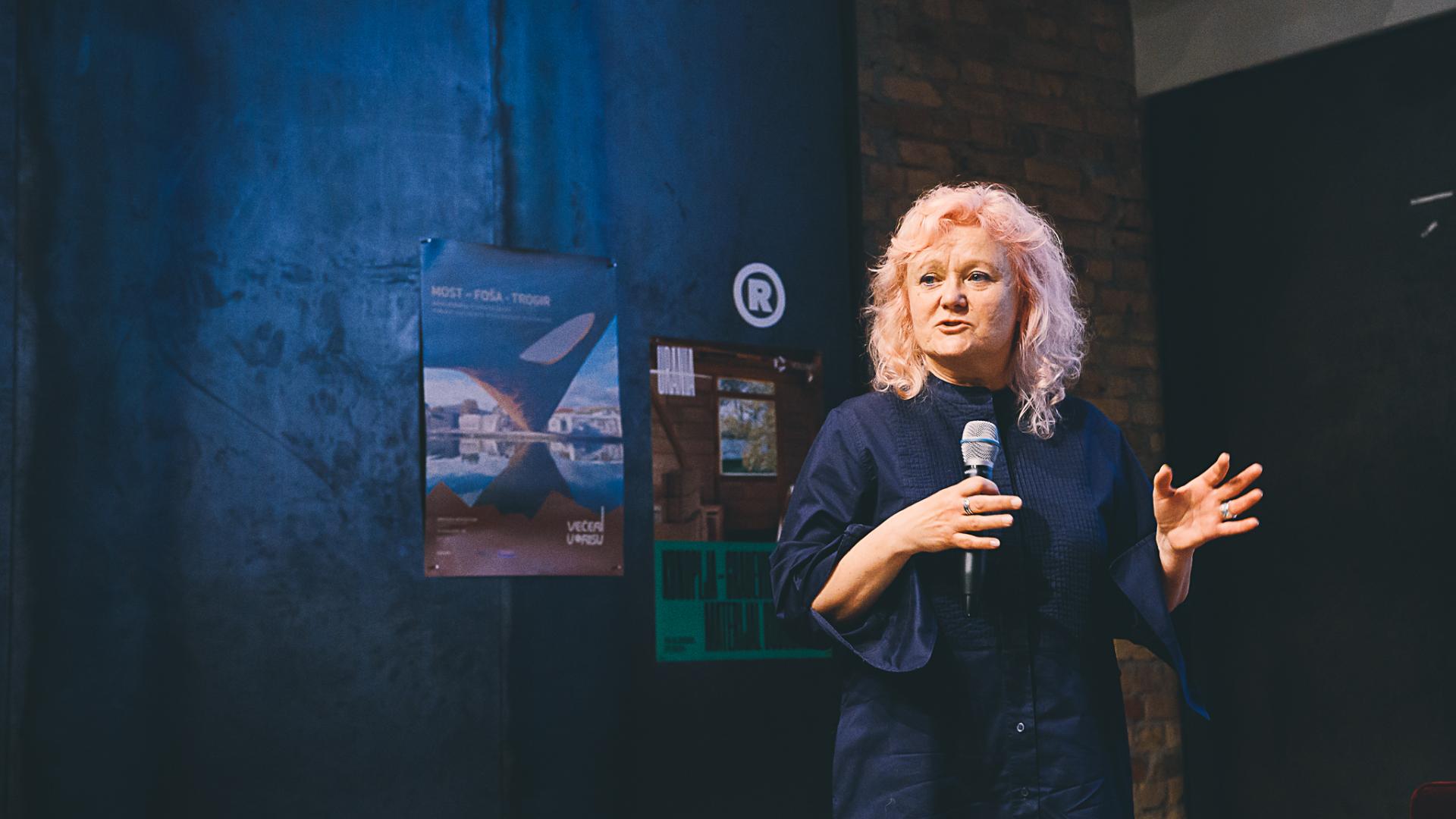
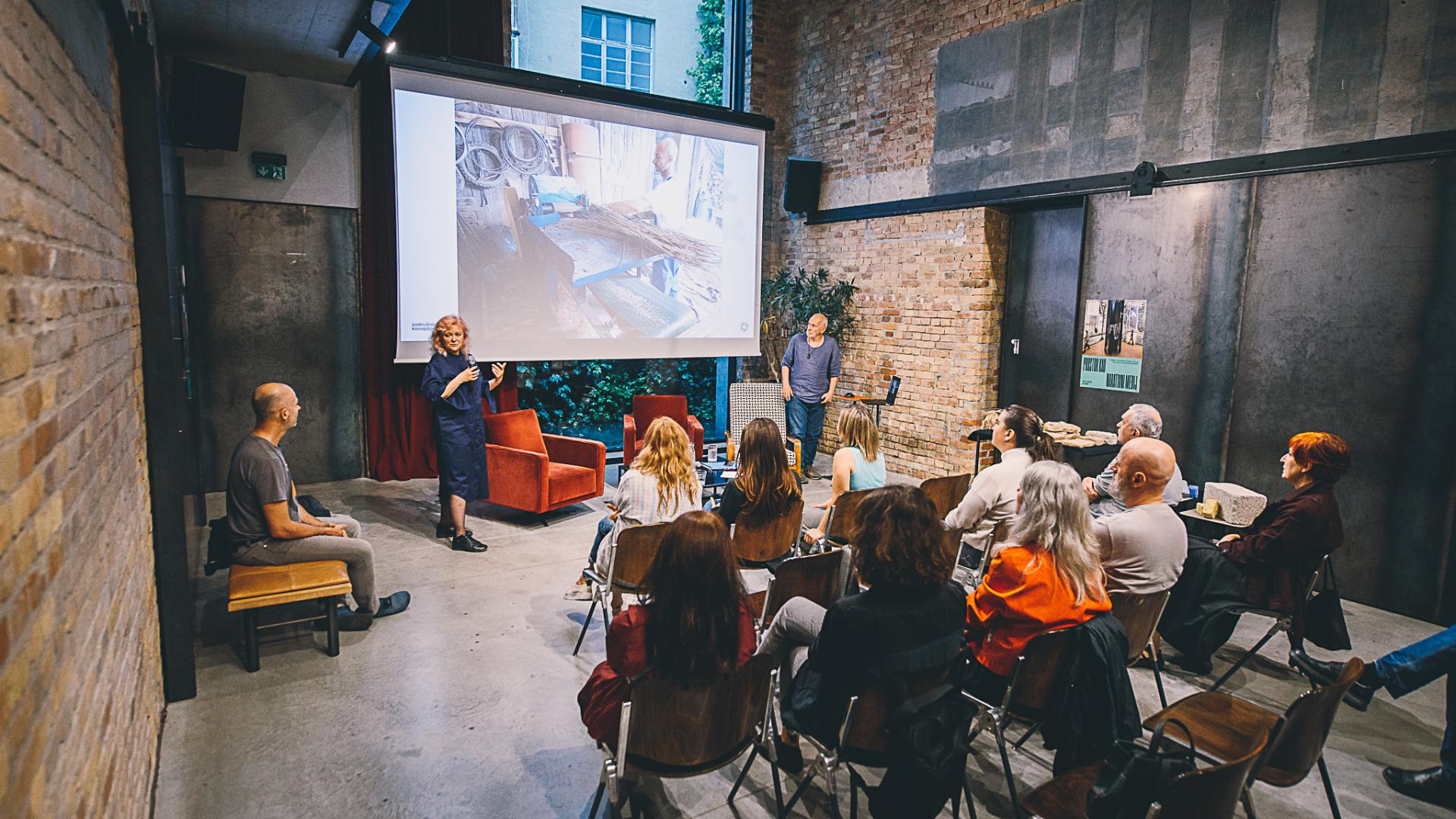
Lecture by Vesna Šoić
Architect Vesna Šoić, founder of Arhitektonski studio Šoić, is renowned for integrating natural materials into contemporary architecture. She also leads Zadružna konopljara, where she researches and implements hemp in construction. Šoić is particularly recognized for her work in restoring traditional houses and promoting cultural heritage.
In this lecture at Urania, Vesna Šoić will present a project that illustrates the real-world potential of hemp: a house for two sisters near Zagreb. These clients, aiming to exchange city life for a more natural environment, initially considered a traditional wooden home, but turned to alternatives due to high construction costs. Collaborating with architect Šoić and Zadružna konopljara, the project was developed using a combination of wooden frame construction and hemp blocks. To meet building regulations, they opted for factory-certified blocks from Austrian company Schönthaler, which are already in use in numerous buildings across Germany, Switzerland, and Austria—including public multi-storey buildings.
The lecture will provide insight into the entire process—from concept and design to material selection and collaboration with European partners.
Seats are limited, so please reserve your spot here. Admission is free!
Irena Križ Šelendić
Tin Bašić
Josip Jagatić
Danijel Bjelajac
09/26
06/26
Vjeran Piršić
Marko Sušanj
Antonija Radošević
05/26
Alan Braun, PhD
Ida Križaj Leko
Anton Kummermehr
05/26
Michela Zenari
04/26
Marco Ernesto Rossi
02/26
Ljuba Južnič
Silvana Mihaljević
Maks Udov
Siniša Staničić
Nikolina Krešo
01/26
Zdravko Tomšić
Daniel Fischer
Nataša Jukić
Ana Marija Šimić
Anita Markota Štriga
Bojana Mrvoš
12/25
Juraj Pojatina
Marko Gusić
Mia Kozina
Duje Katić
Miha Bogotaj
11/25
Irena Križ Šelendić
Branimir Šegotić
Velimir Dvorščak
Tomislav Stašić
Dražen Pomper
11/25
Prof. Kristian Jambrošić, PhD
Prof. Antonio Petošić, PhD
Assoc. Prof. Marko Horvat, PhD
Prof. Zoran Veršić, PhD
Mateja Nosil Mešić
Bojan Borko
Romana Ilić
doc. art. Mateo Biluš
10/25
Alan Kostrenčić, PhD
Ivana Tutek, PhD
Maja Stanić
Eli Kodnik
09/25
Aida Riđanović
Helena Matuša
Milan Koštro
09/25
Kaja Šprljan Bušić
Ines Hrdalo
Ljuba Južnič
08/25
Ivana Šajn
Silvije Novak
07/25
Ivan Dell’orco
Tedi Chiavalon
Vladimir Sabo
Rudolf Šaravanja
Anica Petričević
Tea Pestotnik Prebeg
06/25
Morana Ikić Komljenović
Nerma Mehadžić
Sanja Borčić
05/25
Tomislav Fabek
04/25
Vjeran Piršić
Marko Sušanj
Aida Čustović
03/25
Nataša Ivanišević
Fausto Ferlin
Marko Iveković
03/25
Saša Poljanec-Borić, PhD
Zoran Paunović
Davor Bruketa
Silvije Novak
03/25
Marina Zajec
01/25